The link to sports
Although esports strays from traditional sports, they have enough similarities to make them comparable. This allows for an interesting argument to be brought about: Should esports be classified as a sport or remain a game?

In the UK
Sport in the UK is structured by a collection of the Government, sports councils, and governing bodies.
The government primarily aids sport financially. They often invest in grassroots and high-performance facilities, fund athletes and major events such as the Euros, and promote sport in schools through physical education (PE) sessions.
Sports councils typically focus on gaining traction and involvement in sports. This is achieved by building and refurbishing facilities, developing inclusive programs, and connecting with local agendas - like health and planning.
Governing bodies play a crucial role in ensuring safety, overseeing financial management, and organising thrilling competitions. UEFA, for instance, is renowned for hosting prestigious tournaments like the Champions League, the Euros, and the Europa League.
FIFA, on the other hand, is the global authority responsible for regulating the rules and overall management of the sport.
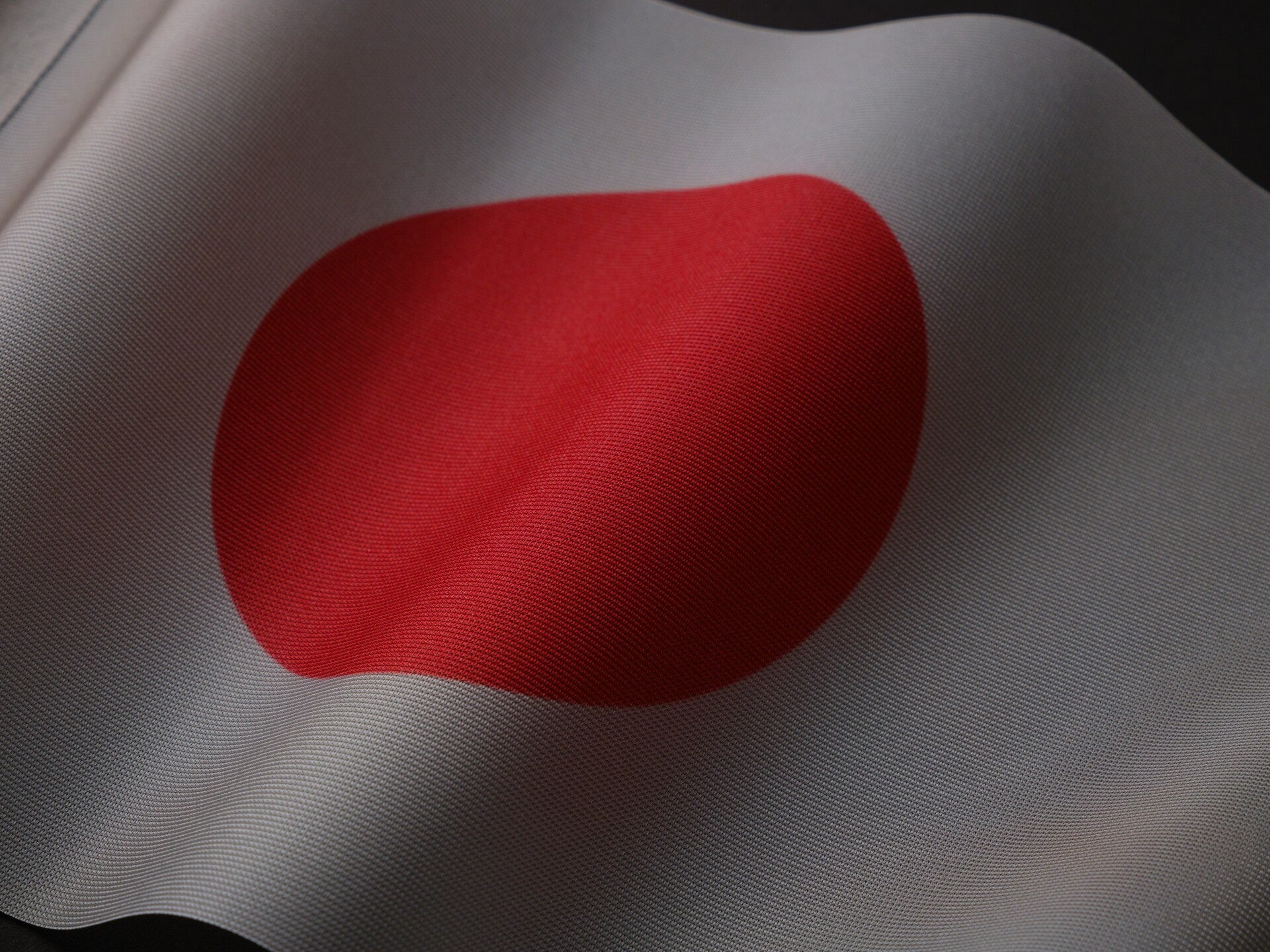
In Japan
National sports policies in Japan are driven by the Ministry of Education, Culture, Sports, Science and Technology (MEXT). To enhance both lifelong participation in sports and the development of elite athletes, the Japan Sports Agency (JSA) was established in 2015 under the ministry’s guidance. Recognising sports as a vital part of its cultural identity, the Japanese government places significant emphasis on Olympic preparation and overall sports development. In collaboration with MEXT, Japan operates through a network of governing bodies. The Japanese Olympic Committee (JOC) is responsible for overseeing Olympic sports, while individual national federations, such as the Japan Football Association, manage their respective disciplines. Additionally, the JSA works closely with local federations to promote and support sports at all levels.
Both the UK and Japan have government-led sports systems supported by agencies. The UK prioritises funding, participation, and community growth, while Japan, via MEXT and JSA, focuses on cultural identity and Olympic success. Both promote sport from grassroots to elite levels.

In the USA
The federal government plays a minimal role in sports, with its primary influence coming through the President's Council on Sports, Fitness, and Nutrition, which encourages physical activity and youth participation. Most sports funding comes from local and state governments to support school and community programs. However, much of the control over sports lies with governing bodies. The United States Olympic and Paralympic Committee (USOPC) oversees all Olympic and Paralympic activities, while individual sports are managed by their respective national governing bodies. Additionally, collegiate sports are regulated by organisations like the NCAA (National Collegiate Athletic Association).
The UK and the USA collaborate with government bodies and independent organisations to develop sports. The UK government takes a more direct role via funding and national sports councils, while in the USA, support mainly comes from state and local levels. Both nations focus on participation, talent development, and major sporting events through bodies like the UK’s national associations and the USOPC or NCAA.
Sports vs Esports
In the UK, both traditional sports and esports benefit from government support and national governing bodies dedicated to promoting growth and participation. For traditional sports, the government provides funding and collaborates with governing bodies to oversee competitions and manage facilities. Similarly, the UK government acknowledges esports as a rapidly growing industry and is working to strengthen its relationship with this sector, focusing on key areas such as player welfare, venue accessibility, and ensuring fair competition.
Traditional sports operate under well-established frameworks like Sport England. In contrast, esports is supported by newer organisations such as Ukie, the British Esports Federation, and National Student Esports (NSE). These groups are dedicated to nurturing talent and fostering communities. While both systems prioritise participation and national representation, esports is still in the process of building its formal infrastructure, making it less mature compared to the long-standing structures of traditional sports.
They’re like two sides of the same coin — both supported by government involvement and structured leadership, yet differing in history and development.
What could they learn from each other?
The success of grassroots programs in building career pathways in traditional sports could serve as a blueprint for shaping the future of esports.
In today’s dynamic digital era, esports has swiftly evolved with emerging technologies and trends—an approach that traditional sports could adopt to enhance and modernise fan engagement.

Create Your Own Website With Webador